

The death of prominent women’s rights activist Somayeh Rashidi once again reveals the shocking brutality of the Iranian regime’s treatment of political prisoners. Her passing highlights the life-threatening situation of many detainees and the urgent need for the international community to provide protection and assistance, especially for sick prisoners.
Somayeh Rashidi died on September 25 at the age of 42 after being denied adequate medical treatment for months in prison, despite her acute illness. She suffered from epilepsy, which worsened dramatically during her imprisonment. Her repeated seizures led to unconsciousness and severe limitations, making it difficult for her to perform daily tasks without the support of other prisoners.
The activist had been arrested multiple times for her commitment to women’s and human rights. In April of this year, she was arrested again and initially held in Evin Prison. In June, she was transferred to the notorious Qarchak Women’s Prison, known for its inhumane conditions.
On September 16, Rashidi suffered two particularly severe seizures and was admitted to Mofatteh Hospital in Varamin in critical condition. She died there after several days in a coma. Doctors confirmed that the months-long denial of medical care was the primary cause of the irreversible deterioration of her health.
A systematic form of torture
The systematic denial of medical assistance represents a cruel form of torture, which is widespread in the Iranian prison system. Necessary treatments are repeatedly delayed or completely withheld, illnesses are downplayed or ignored, medications are held back, and prisoners are forced to discontinue therapies against medical advice and return to detention.
The regime in Tehran is obligated under international law to guarantee the right to life and health for all individuals, including prisoners. The deliberate failure to provide medical aid is a clear violation of the international prohibition against torture.
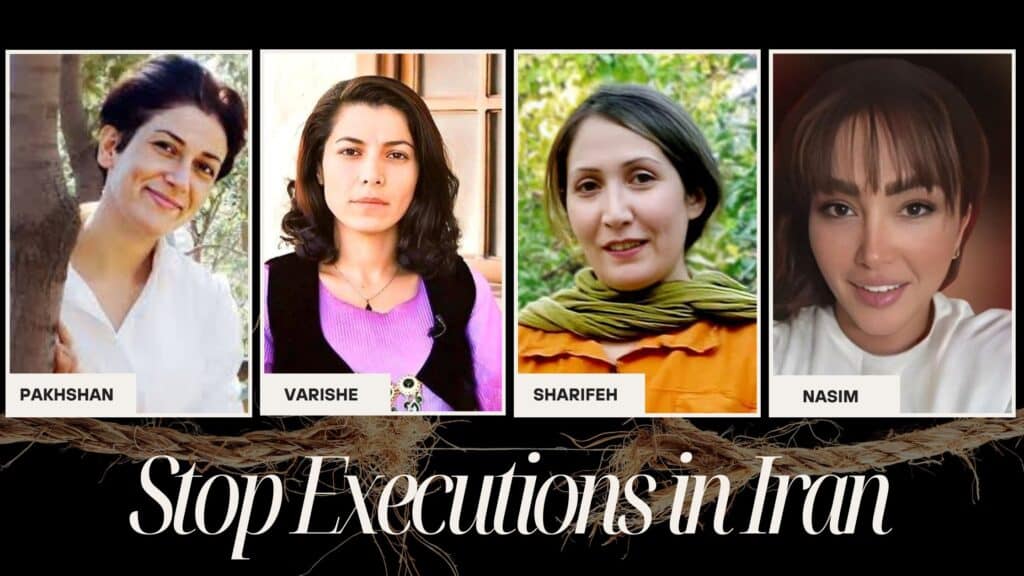
Take action: demand justice for political prisoners in Iran
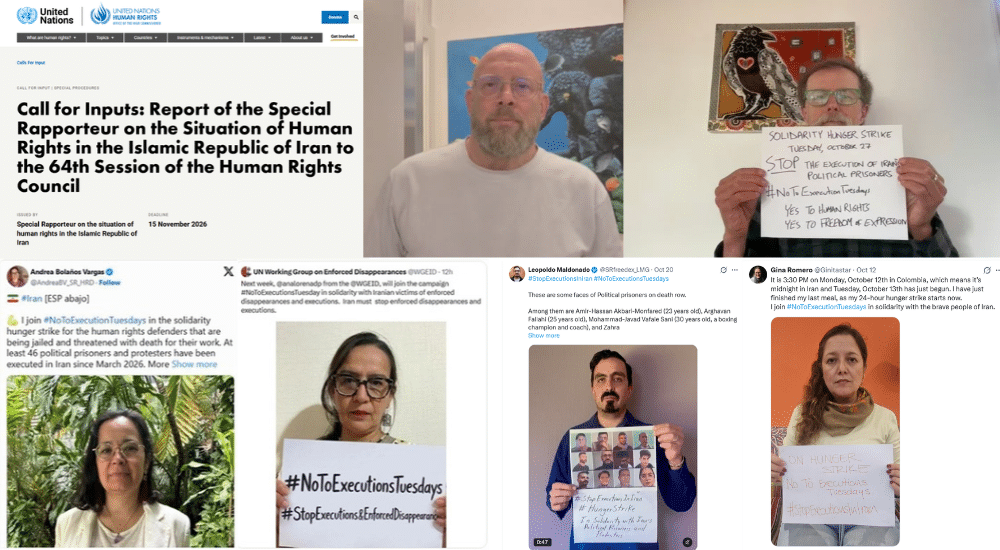
The death of Somayeh Rashidi is not an isolated incident; it is a symptom of a systemic human rights crisis. We must not remain silent.
Join Verein Welle in our mission to shine a light on human rights violations in Iran. Your support can help pressure the regime to release political prisoners—especially those who are seriously ill—and prevent further suffering and death. Together, we can fight for justice and accountability.



 English
 German
 French