
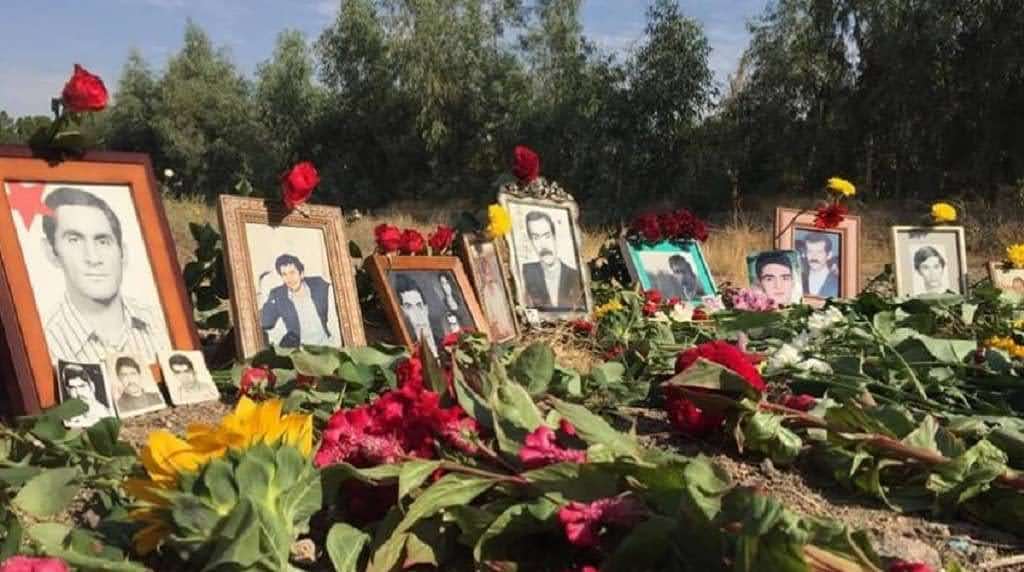
A historic breakthrough for justice on the 1988 massacre and today’s prisoners
In a landmark development, the United Nations has adopted a new resolution condemning the Iranian regime for its systemic and grave human rights violations—while, for the first time, formally recognizing the 1988 mass execution of political prisoners as part of these abuses.
This moment represents a major victory for survivors, families of victims, and the global human rights movement after decades of seeking truth and accountability.
Mai Sato’s response: a clear warning of a possible repeat of 1988

Following the UN condemnation, Mai Sato, the UN Special Rapporteur on the situation of human rights in Iran, issued one of the strongest assessments to date about the deteriorating human rights landscape in the country. In her official statements and published correspondence with the Iranian authorities, she warned:
- Executions in Iran have reached the highest levels in decades.
- Dozens of political prisoners face imminent execution.
- Current patterns of repression bear alarming similarities to the lead-up to the 1988 massacre.
- Many detainees were sentenced after minutes-long trials, torture-induced confessions, and blatantly unfair judicial procedures.
Mai Sato stressed that the international community must act now “before it is too late,” describing the situation as urgent, escalating, and potentially catastrophic. By publicly releasing her letters, she ensured full transparency and mobilized global attention to the imminent danger.
Why this moment is a historic breakthrough
The 1988 massacre is now officially recognized in a UN resolution
For decades, the Iranian regime denied or concealed this atrocity. The new resolution breaks that wall of silence and opens the door to international investigations, truth-seeking mechanisms, and accountability for those involved in the executions.
A global warning about the risk of another mass killing
With the regime’s intensifying use of the death penalty and state-aligned media openly praising the “successful experience of 1988,” this UN action serves as a critical alarm bell.
A powerful tool for international advocacy
Human rights organizations, including Verein Welle, can now rely on:
- The UN’s formal recognition of the 1988 massacre.
- Mai Sato’s documented warnings.
- The growing body of evidence on today’s executions.
This evidence can be used to demand urgent international pressure, the establishment of an independent inquiry, and the immediate protection of prisoners at risk.
A decisive blow to the regime’s decades-long campaign of denial
Years of destroying mass graves, intimidating families, and suppressing information can no longer override the weight of official UN documentation.
A turning point for justice

The combination of the UN’s historic condemnation and Mai Sato’s powerful warning marks the strongest international stance in 35 years toward justice for the victims of the 1988 massacre—and toward protecting political prisoners facing execution today.
This moment is not merely symbolic. It creates the foundation for real accountability, international action, and renewed hope for the families who have waited decades for recognition and truth.
Call to action: support accountability for Iran’s crimes
The UN resolution is a milestone, but its impact depends on action. Join Verein Welle in leveraging this historic condemnation.
Amplify the call for international investigations into the 1988 massacre and protect the lives of political prisoners facing imminent execution today. Your support helps turn UN resolutions into real-world accountability.


 English
  German
  French